Easy to use
A simple 3-step application designed to fit easily into your routine.
Always follow the instructions provided in the User Manual for application.
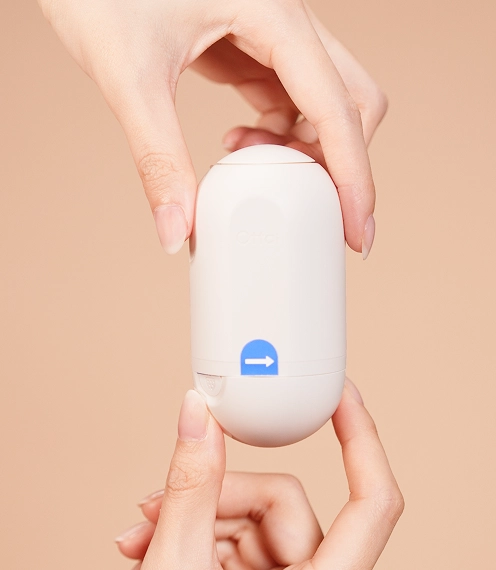
 Twist
Twist 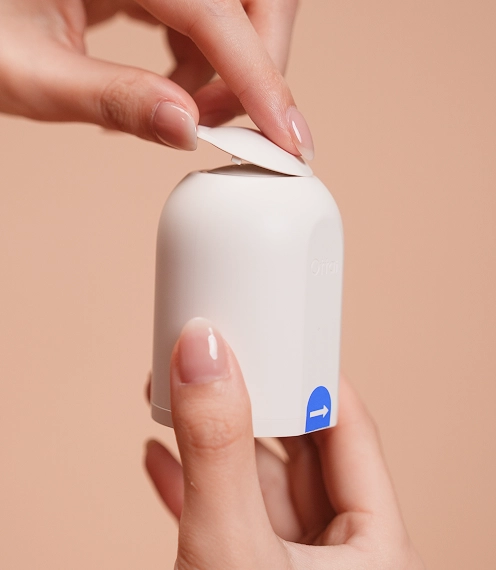
 Take off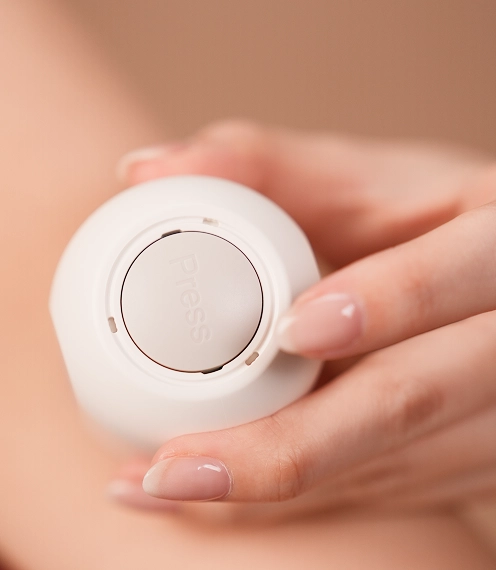
 Apply
Apply See glucose trends throughout the day and night with a low-profile sensor, compatible-phone insights, high/low alerts, and up to 14 days of wear.
Couldn't load pickup availability
Product details are grouped so you can confirm the essentials without leaving the purchase area.
Available payment methods below are generated from the payment types currently enabled in this store.


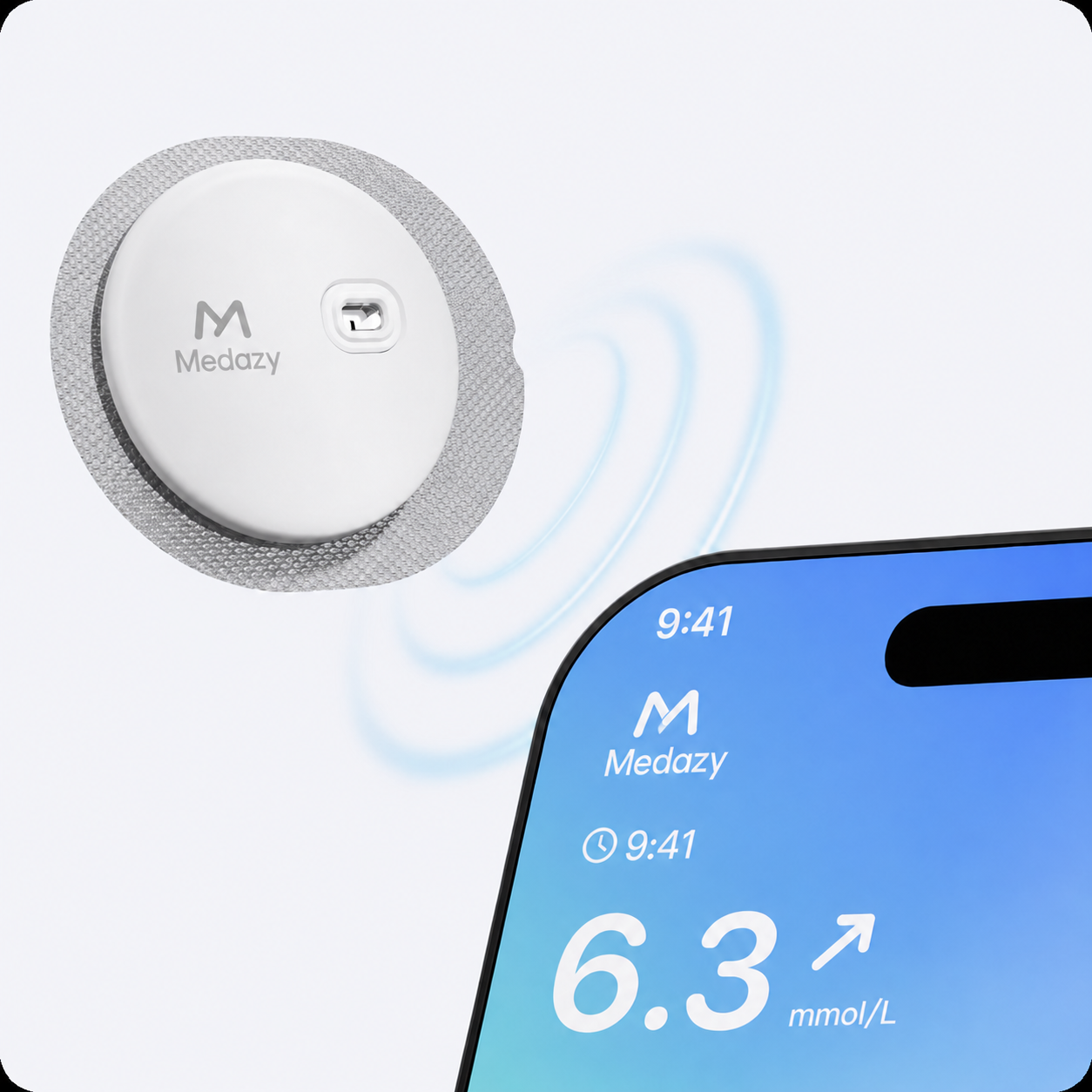
Continuous wear for up to 14 days
Shower, swim and keep moving
Know sooner with high and low alerts
Low-profile comfort for everyday wear
Understand patterns, not just numbers
A simple 3-step application designed to fit easily into your routine.
Always follow the instructions provided in the User Manual for application.
Twist Take off Apply Designed for swimming, rainy days and everyday water exposure.

Wear it easily to work, sleep, exercise and more.
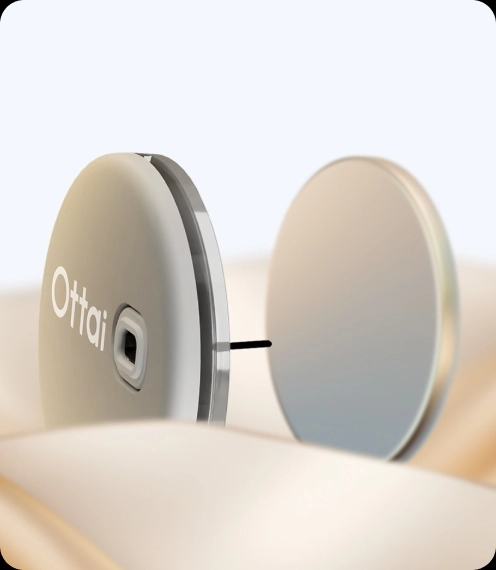
Enjoy up to 14 days of monitoring with one sensor application.

Clinical performance designed for accurate, stable glucose monitoring.

A comprehensive 14-day overview of glucose trends.
 Twist Take off Apply
 A simple 3-step application designed to fit easily into your routine.
Designed for swimming, rainy days and everyday water exposure.

Wear it easily to work, sleep, exercise and more.
Designed for accuracy, stability and consistent glucose monitoring performance.
Enjoy up to 14 days of monitoring with one sensor application.
A comprehensive 14-day overview of glucose trends.
Glucose monitoring should fit around your life—not the other way around. Medazy is designed to stay with you through everyday routines, movement, rest and everything in between.
From showers to everyday water exposure, Medazy is designed to help you keep monitoring without making your routine revolve around the sensor.

Designed to remain comfortably in place through everyday movement, so glucose monitoring can stay in the background while you keep doing what matters.

Supported glucose alerts can help bring meaningful changes to your attention—even when you are not actively looking at the app.

Where supported, Medazy can make it easier to share glucose values, trends and summary information with trusted family members or caregivers.


A lightweight, low-profile CGM designed to keep glucose insights close while your day keeps moving.
Understanding CGM performance starts with understanding how the technology is evaluated. Medazy is designed around continuous glucose sensing, with performance assessed using established measures used in CGM evaluation.
Accuracy metric: MARD is a standard measure used to evaluate agreement between CGM readings and reference glucose measurements.
MARD is one commonly used measure for evaluating agreement between CGM sensor readings and reference glucose measurements.
Clinical performanceCGM is designed to collect sequential glucose information over time, helping build a continuous view of glucose movement rather than a series of isolated checks.
Continuous contextCGM measures glucose in interstitial fluid rather than directly measuring capillary blood glucose. Differences can occur, particularly when glucose is changing rapidly.
Know what you measureWear time, device compatibility, supported features, operating requirements, and other important information should be reviewed in the Medazy product documentation.
Clear product informationYou can return to the purchase area at any time. Product options, current pricing and exact package details are shown there.
★★★★★4.9/5 · 52 ratings · Read feedback ↓Your glucose story, made easier to understand.

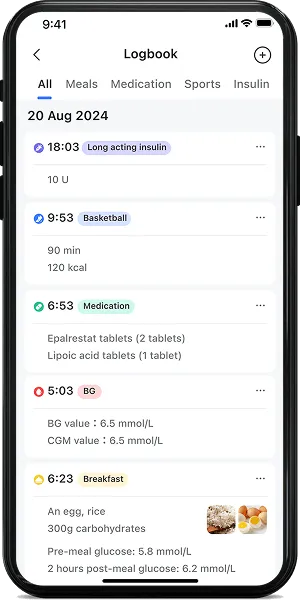


Once your sensor is securely applied, complete the setup on your compatible smartphone. Keep your phone nearby and follow the instructions provided in the User Manual and app.
Download the compatible app specified in your Medazy User Manual, then open the app and follow the on-screen setup instructions.
Enable Bluetooth on your smartphone and keep the phone close to the sensor. Follow the prompts in the app to complete the connection.
When prompted by the app, bring the NFC area of your smartphone close to the sensor and scan it to activate the sensor.
Real CGM stories, practical tips, and smarter ways to understand your glucose.
A continuous glucose monitor, or CGM, tracks glucose throughout the day and night—helping you see not only where your glucose is now, but how it has been changing over time.
See how glucose changes from morning to night, including the hours between traditional spot checks. Continuous data adds context around the individual numbers you see.
Review glucose trends alongside meals, movement, sleep and everyday routines to better understand how different moments line up with your personal glucose patterns.
Organized trend views and reports can make it easier to review glucose patterns and discuss relevant information with your healthcare team.
Illustrative glucose trend — not actual patient data.

A single reading tells you what glucose looks like at one moment. Continuous monitoring adds the context of what happened before—and where your glucose may be moving next.
Continuous glucose tracking helps you see direction, patterns and changes throughout the day—rather than relying on one isolated number at a time.
A point-in-time check can tell you what glucose looks like right now, but one reading alone does not show the direction or pattern around it.
A single reading shows one moment. Continuous data helps reveal the hours in between.

A before-or-after reading can miss the full pattern.
Activity, stress and routines can line up with changes over time.
Continuous data can reveal patterns while you sleep.
CGM and time-in-range tools can add useful context to daily glucose patterns.
Over time, persistent high glucose is associated with health complications. Seeing patterns earlier can give you more context for informed conversations with your healthcare team.
 Eyes Heart Kidneys Nerves Feet
Diabetes-related nerve damage can cause tingling, pain, weakness, or loss of sensation. In the feet, reduced feeling can mean cuts or blisters are not noticed right away.

Nerve damage can make injuries harder to notice, while poor circulation can make sores and infections harder to heal. Severe ulcers and infections can ultimately threaten the affected limb.

Diabetes can damage blood vessels in the eyes and contribute to diabetes-related eye disease, reduced vision, and blindness.

Diabetes can damage the kidneys over time. Early kidney disease may not produce obvious symptoms, which is why appropriate screening and medical care remain important.

Diabetes can damage blood vessels and is associated with increased risk of cardiovascular disease and stroke.

Diabetes is associated with skin problems including dryness, cracking, infections, and other diabetes-related skin conditions.
The technology behind the Medazy CGM experience.

Laboratory testing, fingerstick meters, and continuous glucose monitoring each provide a different kind of information. Medazy adds the context of how glucose changes over time.*
Scale behind the technology
Quick answers to common questions about using, wearing and getting started with Medazy CGM.
Each Medazy sensor is designed for a 14-day wearing session. The sensor is intended for single use and should not be reused after removal.
After removing the sensor, dispose of it according to applicable local requirements for electronic components, batteries, sharps and materials that may have been exposed to interstitial fluid.
Medazy CGM is designed to make sensor application straightforward. Users can apply and wear the sensor independently by following the instructions provided with the system and in the compatible app.
If you have difficulty applying or operating the system, a family member or another person may assist you.
For the best experience, the sensor is designed to be applied to the rear of the upper arm. Always follow the approved application-site instructions in the Medazy User Manual.
Avoid applying the sensor to the abdomen, thigh, buttocks, back, or locations where frequent movement or daily activity could increase the chance of the sensor becoming loose.
Before application, choose clean, smooth skin and avoid body lotion or cream on the area. Avoid birthmarks, stretch marks, scars or lumps.
If you use insulin injections, select a sensor site at least one inch away from your usual injection location.
The sensor is minimally invasive. Most people describe application as a quick pinch or brief pressure, and many report little or no discomfort while wearing it.
A small number of users may experience slight temporary discomfort, which may decrease after application.
If pain, irritation or discomfort persists or becomes worse, remove the sensor and follow the guidance in the Medazy User Manual or seek appropriate advice if needed.
Follow the on-screen instructions in the compatible Medazy app after applying the sensor. The app will guide you through sensor activation.
After activation, the sensor enters an initialization period of approximately 30 minutes. Once initialization is complete, the app will notify you and the latest glucose reading can be viewed in the app.
The patch provides an additional adhesive layer that can help keep the sensor securely attached throughout the 14-day wearing period.
Apply the patch after sensor application according to the product instructions. Correct application can help reduce the risk of the sensor becoming detached from the skin.
Improper use or incorrect application of the patch may affect sensor adhesion and may also affect applicable warranty coverage.
Yes. Medazy is designed with IPX8 water resistance for everyday water exposure.
Follow the Medazy User Manual for the applicable water-exposure limits and recommended sensor-care instructions.
Medazy works with compatible smartphones using the supported Medazy app.
Please check current smartphone and operating-system compatibility before purchasing or activating your sensor.
Use the compatible Medazy app to view glucose readings, trends and available alerts throughout the sensor-wear period.
During setup and use, follow the current in-app instructions and Medazy User Manual for sensor activation and any required interaction with the sensor.
Medazy reports a 8.106% MARD. MARD is a commonly used metric for evaluating the accuracy of continuous glucose monitoring systems.
Follow the instructions in the Medazy User Manual for situations where a blood glucose check may be appropriate.
If how you feel does not match the CGM reading, confirm your glucose using an appropriate blood glucose method before making decisions based on the reading.
At the end of the 14-day wearing period, gently lift an edge of the adhesive and slowly peel the sensor away from your skin.
Do not reuse a removed sensor. Dispose of it according to the applicable product instructions and local requirements.
Your Medazy package includes the applicable sensor, applicator and product instructions.
Contents may vary depending on the package or quantity purchased, so check the product page for the exact pack configuration.
Choose the Medazy sensor pack that fits your routine and review the exact package details before checkout.
CHOOSE MY SENSOR PACK ↑